Aspiration pneumonia in the intensive care unit
DOI:
https://doi.org/10.37051/mir-34-002197Keywords:
Aspiration pneumonia, Microbiology, Prevention, DysphagiaAbstract
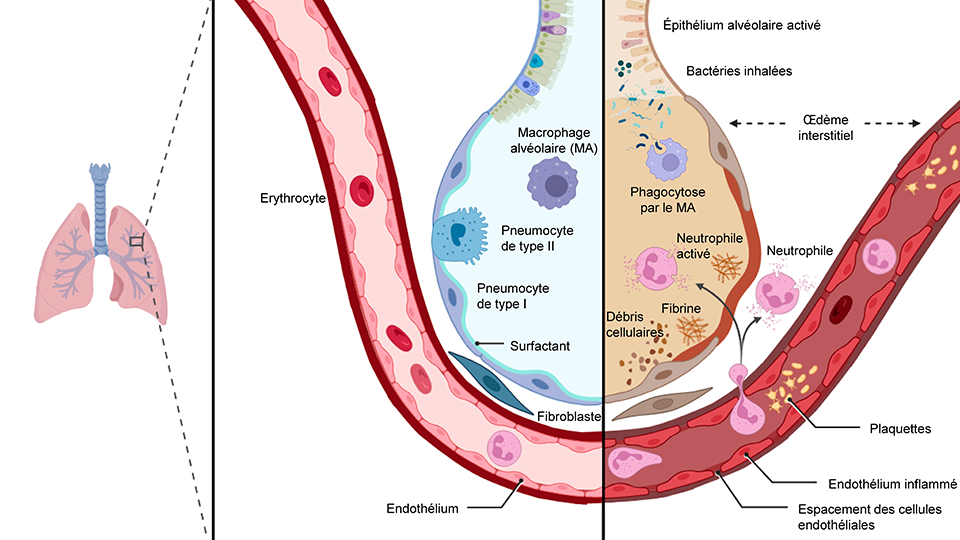
Aspiration pneumonia occurs when oropharyngeal or gastric secretions enter the lower respiratory tract. It integrates two entities: chemical pneumonitis (aspiration of sterile acidic gastric fluid) and infectious pneumonia (aspiration of pathogenic bacteria). The severity of the condition depends on the volume and pH of the inhaled material, the host immune response, and the virulence of the involved pathogens. The diagnosis primarily relies on clinical assessment, imaging, and microbiology when necessary. Management includes ensuring adequate oxygenation, clearing secretions, and administering targeted antibiotics in cases of suspected infection. Prevention involves a bundle of measures with variable individual efficacy, such as maintaining patients in a semi-upright position, minimizing excessive sedation, evaluating swallowing function, and preventing oropharyngeal colonization. Better recognition of risk factors and differentiation between infectious aspiration pneumonia and chemical pneumonitis are critical for optimal management.