Ten key points for the nutritional management of critically ill patients
DOI:
https://doi.org/10.37051/mir-34-002371Keywords:
intensive care, nutrition therapy, mechanical ventilation, enteral nutrition, parenteral nutrition, rehabilitationAbstract
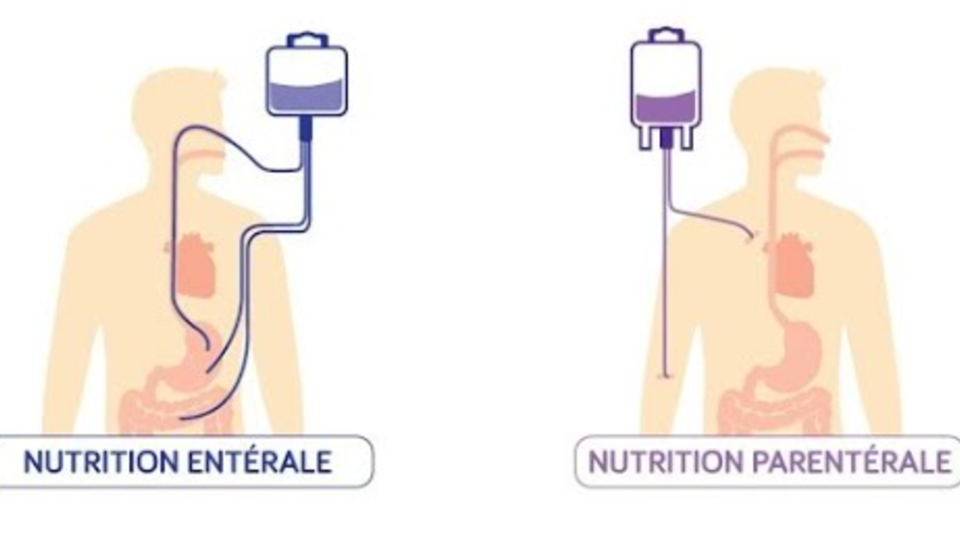
Nutritional management of critically ill patients has evolved substantially over the past decade. Recent randomized controlled trials have challenged long-standing paradigms, particularly regarding energy and protein delivery during the acute phase, the timing of nutritional support, and the use of supplemental parenteral nutrition. Current evidence supports an initial cautious strategy, with restricted energy and protein provision during the acute phase of critical illness (approximately the first week in the intensive care unit) in mechanically ventilated patients, and no routine use of supplemental parenteral nutrition. Early initiation of nutritional support within the first 24-48 hours remains recommended, either via the enteral or parenteral route depending on the clinical context. Prevention of refeeding syndrome, close monitoring of gastrointestinal and metabolic complications, and avoidance of unnecessary interruptions in feeding are essential components of optimal care. While nutritional strategies in the intensive care unit may influence short-term functional recovery, long-term outcomes appear to require sustained follow-up beyond the intensive care unit discharge, integrating structured physical rehabilitation and a multidisciplinary approach.