Update: liver abscesses in intensive care
DOI:
https://doi.org/10.37051/mir-34-002187Keywords:
Liver abscess, Intensive Care, Drainage, AntibiotherapyAbstract
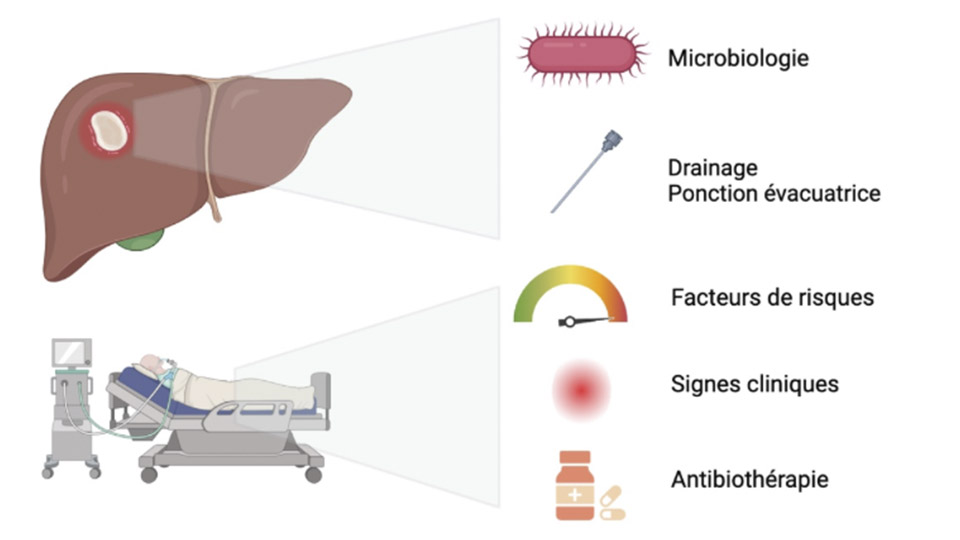
Hepatic abscesses, defined as purulent collections within the liver parenchyma, are rare but life-threatening infections with mortality rates of up to 28% in intensive care units. Their incidence is estimated at 2 per 100,000 per year in Western countries, but can rise to 86 per 100,000 in Asia. Major risk factors include male sex, advanced age, diabetes, immunosuppression and underlying hepatobiliary disease. Diagnosis is based on non-specific clinical features, inflammatory biomarkers and imaging, with computed tomography showing greater sensitivity than ultrasonography.
The main causes are predominantly biliary, although approximately 30% of cases remain cryptogenic. Management combines empiric antibiotic therapy targeting gram-negative bacilli, streptococci and anaerobes, with drainage indicated for abscesses larger than five centimeters. While drainage has been shown to be superior to needle puncture in reducing abscess size and improving clinical outcomes, no survival benefit has been demonstrated in critically ill patients. Advances in molecular techniques, such as 16s rRNA PCR and metagenomic sequencing, offer significant opportunities to improve microbiological diagnosis, particularly in culture-negative cases. Despite these improvements, liver abscesses remain associated with significant morbidity and mortality, highlighting the need for rapid, individualised management strategies to optimise clinical outcomes.