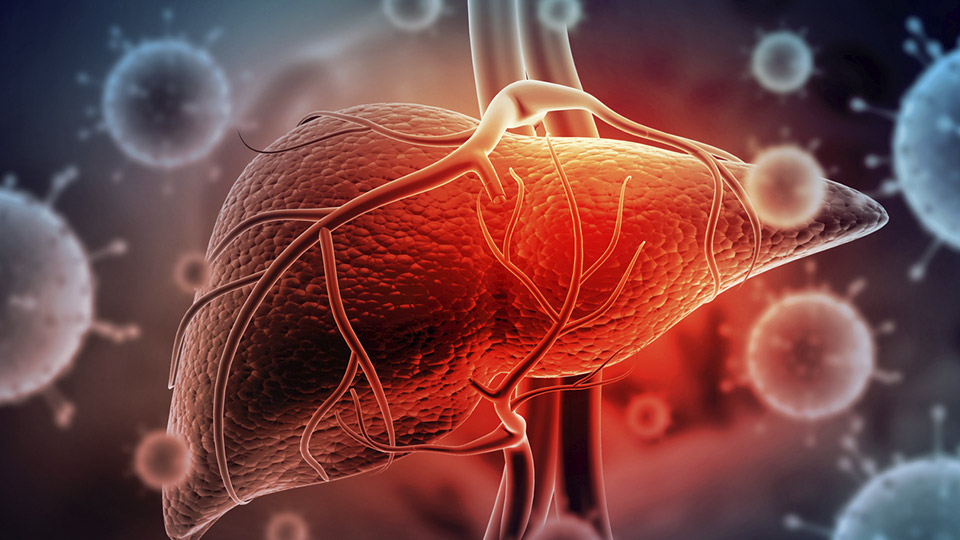
HEPATITES AIGUES TOXIQUES : CE QUE LE REANIMATEUR DOIT SAVOIR ?
DOI:
https://doi.org/10.37051/mir-34-002221Keywords:
hepatotoxicity, liver injury, xenobiotics, acetaminophen, N-acetylcysteineAbstract
Toxic-induced liver injury is a liver disorder that occurs after exposure to xenobiotics in the absence of underlying chronic liver disease. Xenobiotics encompass a wide range of hepatotoxic substances, including medications used in clinical practice, herbal and dietary supplements, mushrooms, and psychotropic drugs ... The mechanisms of hepatotoxicity are diverse and interconnected, often mimicking non-toxic liver injuries.
Acute liver injury is typically identified through liver biochemical blood tests and can progress to acute liver failure, which is associated with a poor prognosis. While drug poisoning - whether intentional or accidental - is an obvious cause, diagnosing toxic-induced liver injury remains challenging for clinicians. Acetaminophen exposure should always be systematically considered.
The cornerstone of treatment is the immediate discontinuation of the suspected toxic agent. N-acetylcysteine, in addition to its established role in treating acetaminophen intoxication, may also be beneficial for non-acetaminophen-induced liver injury. In cases of acute liver failure, prompt consultation with a liver specialist or transplant center is crucial, as it may help reduce morbidity and mortality.