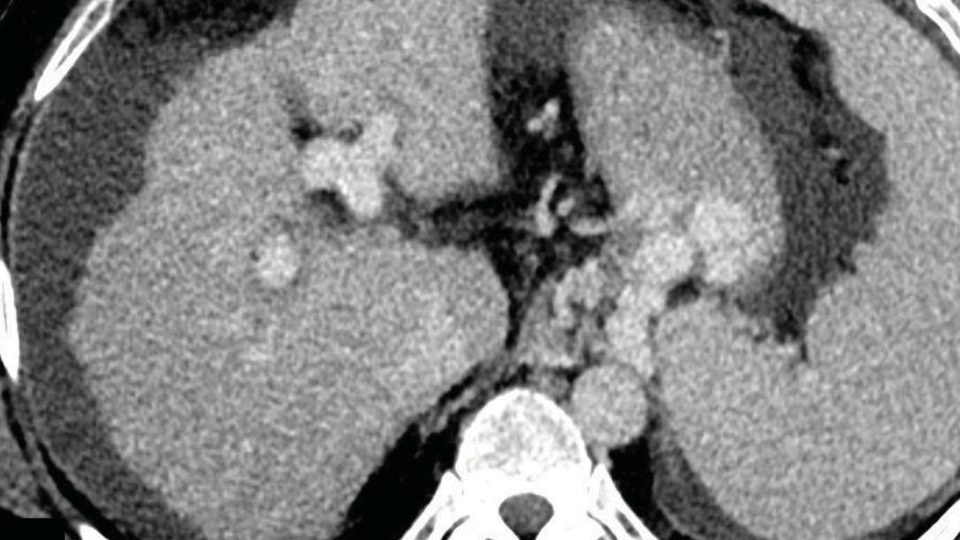
Liver imaging in critical care
DOI:
https://doi.org/10.37051/mir-34-002233Keywords:
CT, ultrasound, diagnostic, radiologyAbstract
The liver plays a central role in homeostasis and is particularly vulnerable to the insults encountered in critical care. Hepatic imaging, particularly Doppler ultrasound and CT scans, is essential for patient management. This article explores the main aspects of hepatic imaging in critical care through four key areas. First, elements of radioanatomy, vascularization, and liver physiology are discussed. Then, liver injuries secondary to systemic pathologies, such as shock, congestive hepatopathy, or infectious diseases, are detailed. Liver diseases, including cirrhosis and hepatic tumors, which are also common in intensive care, are then addressed. Finally, features of the major aspects of post-therapeutic surgical and endovascular imaging is also part of the comprehensive approach to hepatic imaging in critical care. The aim of this review is to provide key insights for interpreting hepatic imaging in intensive care, covering both normal findings and the most frequently observed pathological conditions in critical care settings.