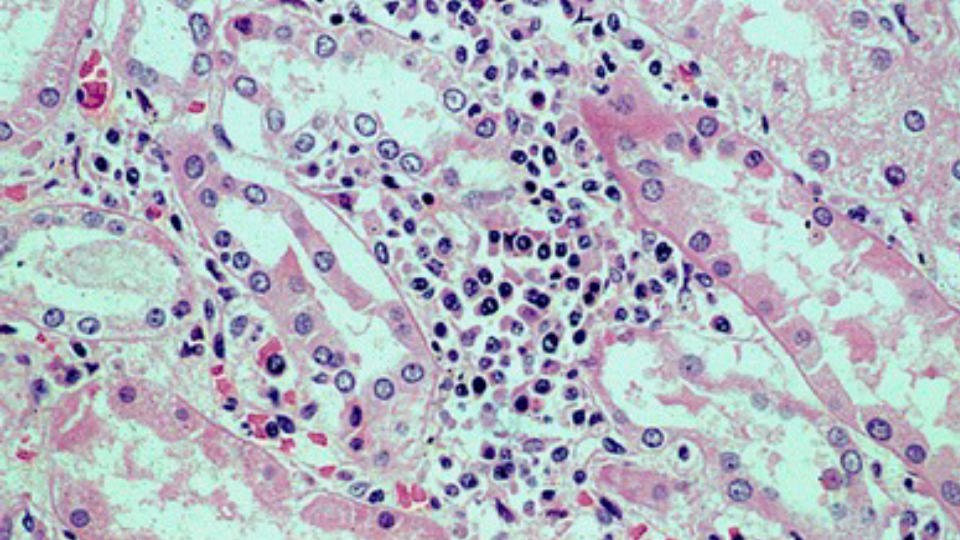
Infectious tubulo-interstitial nephritis
DOI:
https://doi.org/10.37051/mir-34-002293Keywords:
Tubulointerstitial nephritis, Acute kidney injury (AKI), ICUAbstract
Infectious acute tubulointerstitial nephritis (ATIN) accounts for approximately 15% of all ATIN cases. It presents through a wide range of clinico-biological patterns, including systemic infections with multiorgan failure such as leptospirosis or hantavirus disease, chronic upper urinary tract infections such as xanthogranulomatous pyelonephritis or malakoplakia, and opportunistic infections in immunocompromised individuals (e.g., cytomegalovirus, BK virus, adenovirus). Other specific contexts, such as HIV infection and post-intravesical BCG therapy, should also raise suspicion for ATIN in patients with acute kidney injury (AKI). Diagnosis relies on an integrative approach combining clinical, biological, epidemiological, and histological findings. Although relatively rare, infectious ATIN deserves increasing attention considering global climate change, expanding international mobility, and the growing prevalence of immunosuppression. Early recognition of these ATIN is essential to guide appropriate management and prevent long-term renal complications.